Water backup vs. flood insurance: which one covers your basement?
They sound similar and they are not. We break down the two coverages Cleveland homeowners confuse most, with real claim scenarios and what each would pay.

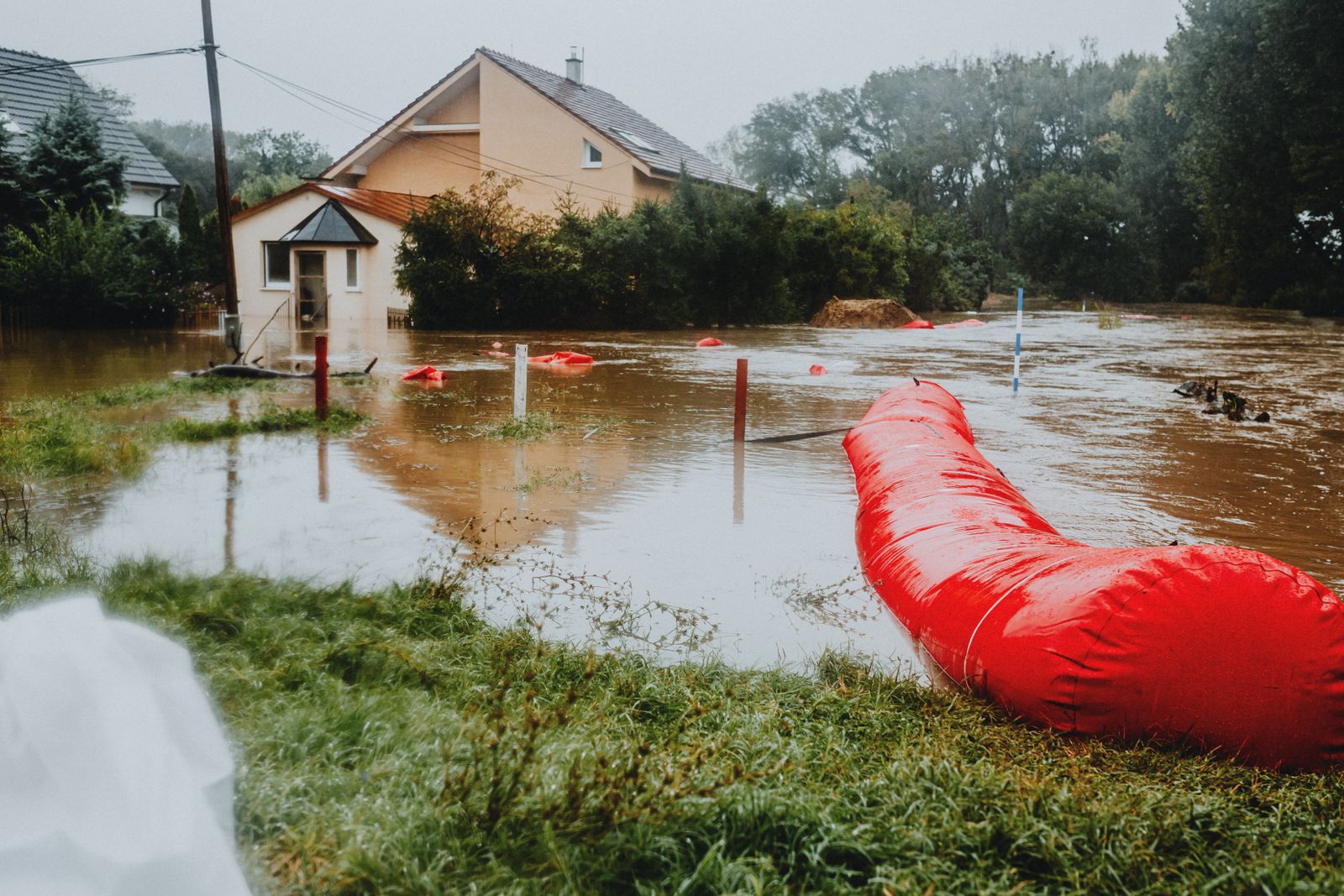
I spent twelve years as a field adjuster before joining Ironbridge, and the most difficult conversations I had were in wet basements. A homeowner standing in two inches of water assumes they are covered, and whether they are depends entirely on where that water came from. Here is the distinction, in plain terms.
What a standard homeowners policy covers
A standard HO-3 policy covers sudden and accidental discharge of water from inside the home's plumbing, heating or appliance systems. A burst supply line under the sink, a washing machine hose that splits or a water heater that ruptures are typical covered losses. It excludes two very common sources of basement water: water that backs up through drains or sewers or overflows from a sump, and flood, meaning surface water from outside.
Water backup coverage
Water backup, sometimes called sewer and drain backup, is an endorsement you add to your homeowners policy. It covers damage when water backs up through a floor drain, sewer line or sump pump, or when a sump pump fails to keep up. In older Cleveland neighborhoods with combined sewers, heavy summer storms can push water back through basement floor drains within minutes.
- Typical limits: $5,000, $10,000, $25,000 or $50,000.
- Typical cost: $60 to $180 per year depending on limit and carrier.
- Usually subject to your policy deductible, sometimes a separate one.
- Covers cleanup, drywall, flooring and damaged belongings up to the limit.
Flood insurance
Flood insurance is a separate policy, written through the National Flood Insurance Program or a private flood carrier. Flood means a general condition of partial or complete inundation of normally dry land, from overflowing water, rapid runoff of surface water or mudflow. When water comes in through a basement window well because the yard is saturated and the ground is sloped toward the house, that is often a flood loss.
Basement coverage under an NFIP policy is limited. It covers essentials such as furnaces, water heaters, electrical panels and cleanup, but not finished walls, flooring or most personal belongings in the basement. Private flood policies sometimes offer broader basement coverage, which is worth comparing.
Three real-world scenarios
Scenario one: the July thunderstorm
Two inches of rain falls in an hour. The city sewer is overwhelmed and water rises through the floor drain in a finished basement in Lakewood. This is a water backup loss. With a $25,000 water backup endorsement, the homeowner's $18,000 in damage is covered, minus the deductible. Without the endorsement, there is no coverage.
Scenario two: the sump pump and the power outage
A March thaw and a windstorm knock out power in Mentor for nine hours. The sump pump stops and the basement takes on water. This is also typically a water backup loss, since the water entered through the sump. A battery backup pump might have prevented it entirely.
Scenario three: the creek over its banks
A creek near a home in the Chagrin Valley rises after days of rain and surface water flows across the yard and into the basement through window wells. This is a flood loss. Water backup coverage will not respond. Only a flood policy would cover it.
The question is never how much water is in the basement. The question is how the water got there.
Which do you need?
Nearly every homeowner with a basement in Northeast Ohio should carry water backup coverage. Flood insurance deserves a serious look if you are near a river, creek or lake, in a low-lying area, or if your yard drains toward the house, even when you are outside a high risk flood zone. Roughly a quarter of flood claims nationally come from outside high risk areas.
- Finished basement: water backup at $25,000 or more.
- Unfinished basement with mechanicals: water backup at $10,000 minimum.
- Near water or poor drainage: add a flood policy and compare private options.
- Remember the 30 day waiting period on most NFIP flood policies.
If you are not sure which coverages you have, send us your declarations page. We will tell you exactly what would and would not be covered, and what it would cost to close the gap.
This article is general information, not legal advice or a statement of coverage. Your policy terms, conditions and exclusions control.