The Northeast Ohio winter home insurance checklist
Ice dams, frozen pipes and sump pump failures cause most of the winter claims we see. Here is what your policy covers, what it does not, and what to fix before December.

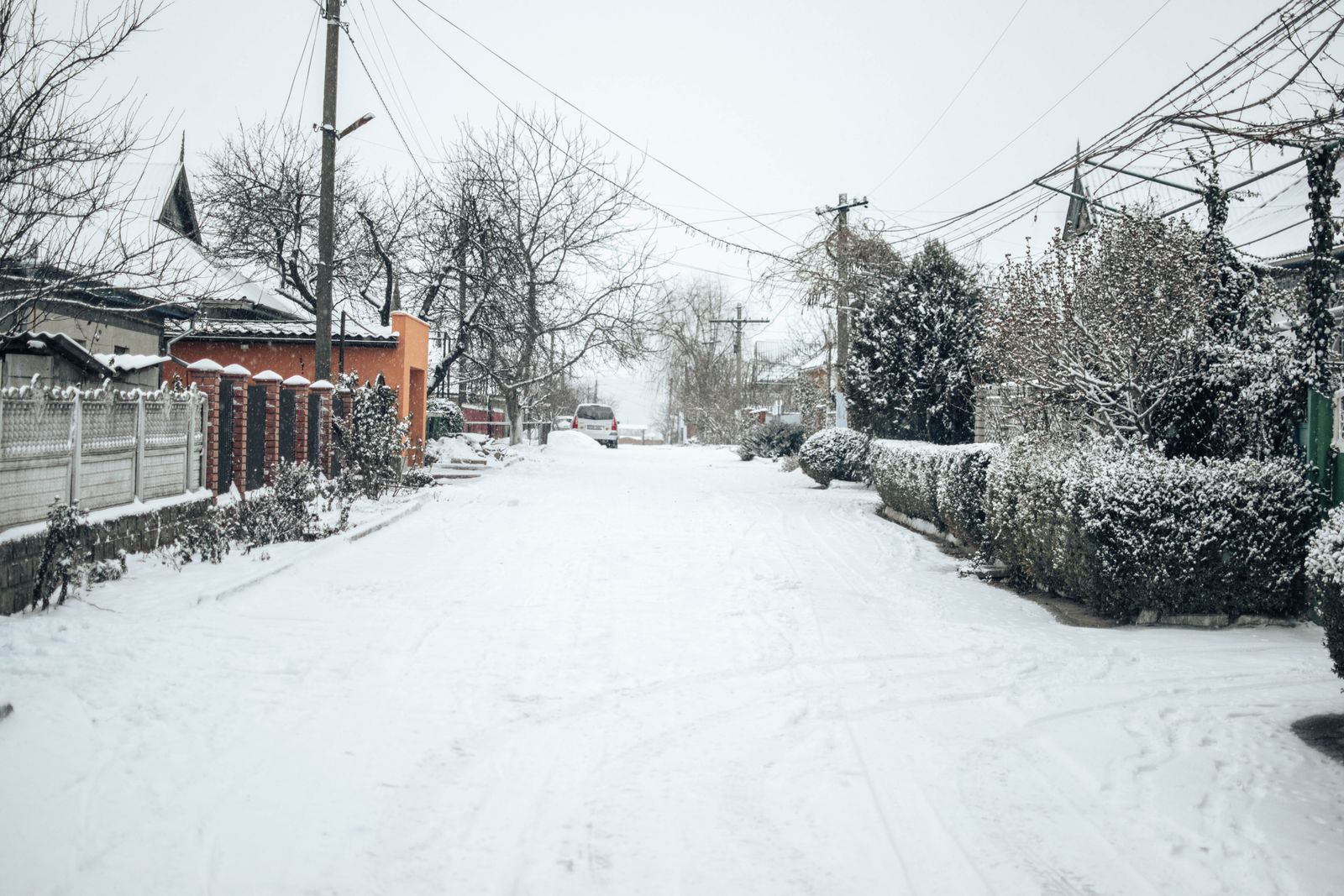
Every January our claims line gets busier. Lake-effect snow piles onto roofs from Lakewood to Mentor, temperatures swing above and below freezing, and water finds its way into places it should not be. Most of those claims are covered. A surprising number are not, and the difference usually comes down to one endorsement or one maintenance habit.
This checklist walks through the winter losses we see most often in Northeast Ohio, how a typical HO-3 homeowners policy responds, and what you can do in October to avoid a hard conversation in February.
1. Ice dams and roof leaks
An ice dam forms when heat escaping through the attic melts snow on the upper roof, and the water refreezes at the colder eaves. Water backs up under shingles and drips into ceilings and walls. Sudden and accidental interior water damage from an ice dam is generally covered by homeowners insurance. The cost of removing the ice itself, and repairing a roof that was already worn out, generally is not.
The bigger issue is how your policy values the roof. Many carriers now write roofs older than 15 years on an actual cash value basis, which means a claim pays the depreciated value rather than the cost of a new roof. On a 20-year-old architectural shingle roof, that can mean a payout of 30 to 40 percent of replacement cost.
- Check your declarations page or endorsements for roof payment schedules or actual cash value roof language.
- Add attic insulation and air sealing to reduce heat loss, the root cause of most ice dams.
- Keep gutters clear before the first hard freeze.
- If your roof is near the end of its life, ask us how a replacement would change your premium. The savings can be meaningful.
2. Frozen and burst pipes
A burst pipe can release hundreds of gallons of water in an hour. Homeowners policies cover sudden water damage from a burst pipe, including tearing out and replacing drywall to reach it. Most policies also contain an important condition: if the home is vacant or unheated, you must maintain heat or shut off and drain the water supply. Failing to do that can void coverage for freezing damage.
This matters for snowbirds who head to Florida in January, for families settling an estate, and for owners renovating a house between tenants. If a home will be empty for more than 30 to 60 days, call us. Some policies restrict coverage after a period of vacancy, and a vacancy permit or separate policy may be needed.
3. Sump pump and sewer backup
This is the single most common coverage gap we find. A standard homeowners policy excludes water that backs up through sewers or drains or overflows from a sump pump. When a March thaw overwhelms a pump, or a power outage stops it, the damage to a finished basement can easily reach $20,000 to $40,000.
Water backup coverage costs most of our clients between $60 and $180 a year. It is the best value endorsement in homeowners insurance for Cleveland-area basements.
Coverage is usually sold in limits of $5,000, $10,000, $25,000 or $50,000. Choose a limit that reflects what is actually in your basement: flooring, drywall, a furnace and water heater, a second refrigerator, a home gym or a guest room add up quickly. A battery backup for the sump pump is a smart companion purchase.
4. Flooding is a separate policy
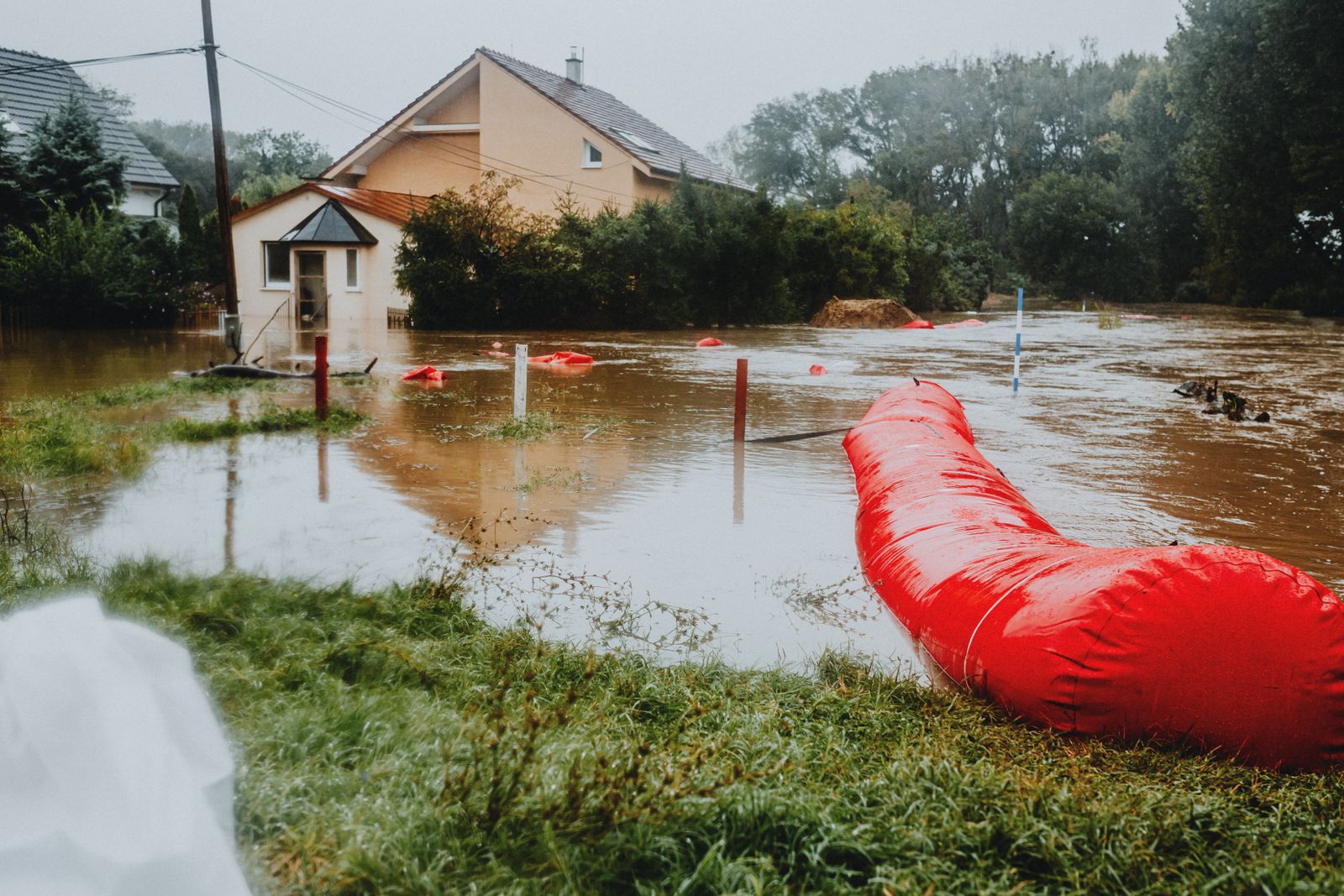
Water backup coverage does not cover flooding, meaning surface water that enters from outside, such as rising creeks or a heavy snowmelt across a yard. That requires a flood insurance policy through the National Flood Insurance Program or a private flood carrier. Even outside a mapped flood zone, flood policies can be inexpensive. There is typically a 30 day waiting period, so buy before spring.
5. Falling trees and snow-loaded limbs
When a tree falls on your house because of wind, ice or the weight of snow, your policy typically covers the damage to the house and removal of the tree from the structure. A tree that falls in the yard without hitting anything usually is not covered, or removal is capped at a small amount. If a neighbor's tree falls on your home, your own policy responds first.
6. Liability for icy walks
Slip and fall injuries on icy steps and sidewalks are a classic winter liability claim. Your homeowners liability coverage responds if a guest or delivery driver is hurt. Keep walkways cleared and salted, and consider whether your liability limit, often $300,000, is really enough. For most homeowners, a $1 million umbrella policy costs less than $30 per month.
Your October to-do list
- Find your current declarations page and look for water backup coverage and its limit.
- Confirm whether your roof is covered at replacement cost or actual cash value.
- Test your sump pump and consider a battery backup.
- Know where your main water shutoff is and make sure everyone in the house does too.
- Photograph your basement and major belongings for an easy inventory.
- Book a 20 minute coverage checkup with us before the first snow.
Winter in Northeast Ohio is not optional, but most of its insurance surprises are. If you are not sure what your policy says, send it to us and we will read it for you, no charge and no obligation.
This article is general information, not legal advice or a statement of coverage. Your policy terms, conditions and exclusions control.